Take a look at the Insects of Pennsylvania
Large Milkweed Bug - Oncopeltus fasciatus
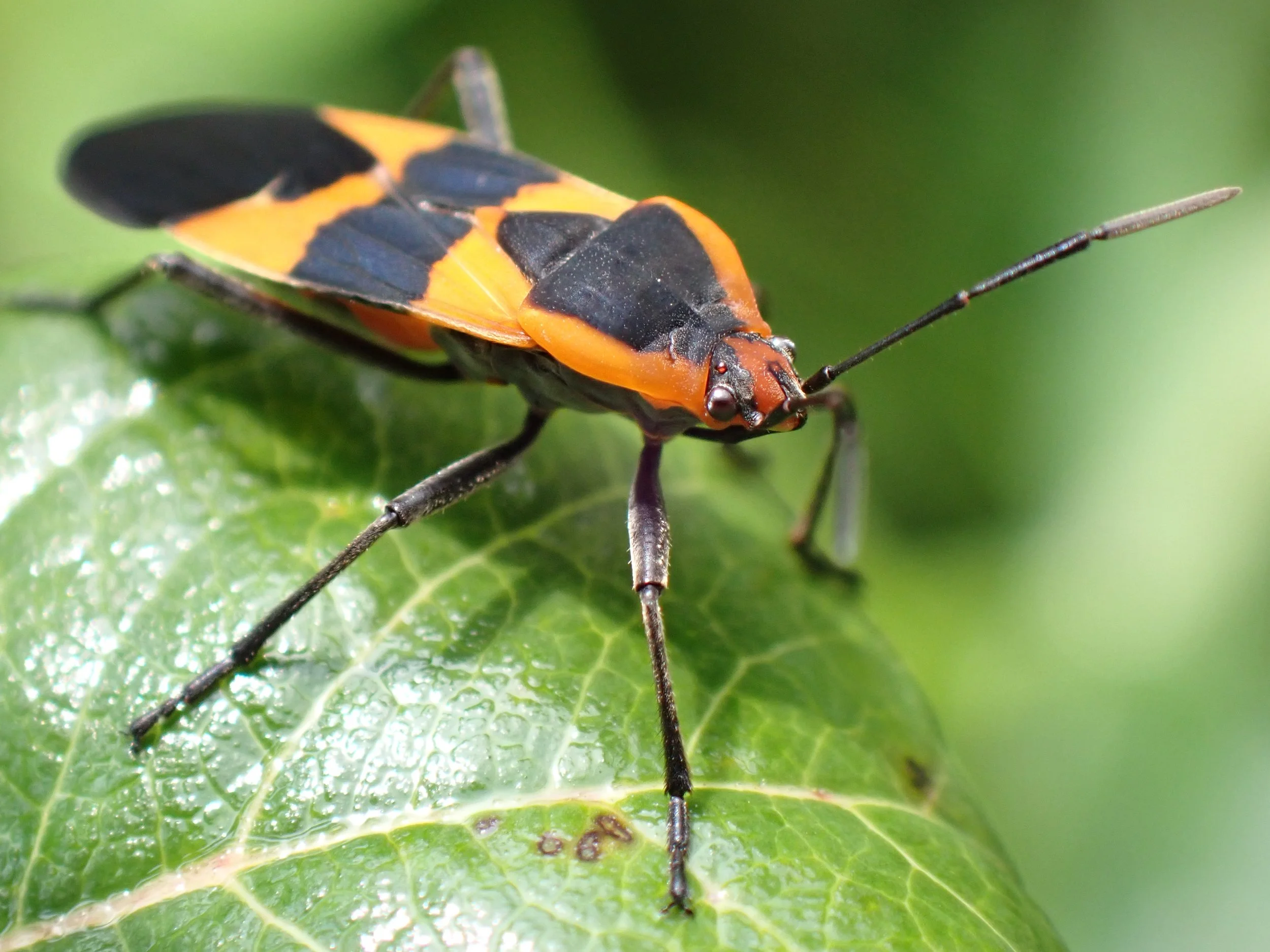
A small selection of Pennsylvania’s large variety of insects!
Did you know there’s an estimated 8,000+ species of insects in Pennsylvania alone?
Check out more of Pennsylvania’s variety of insects below!
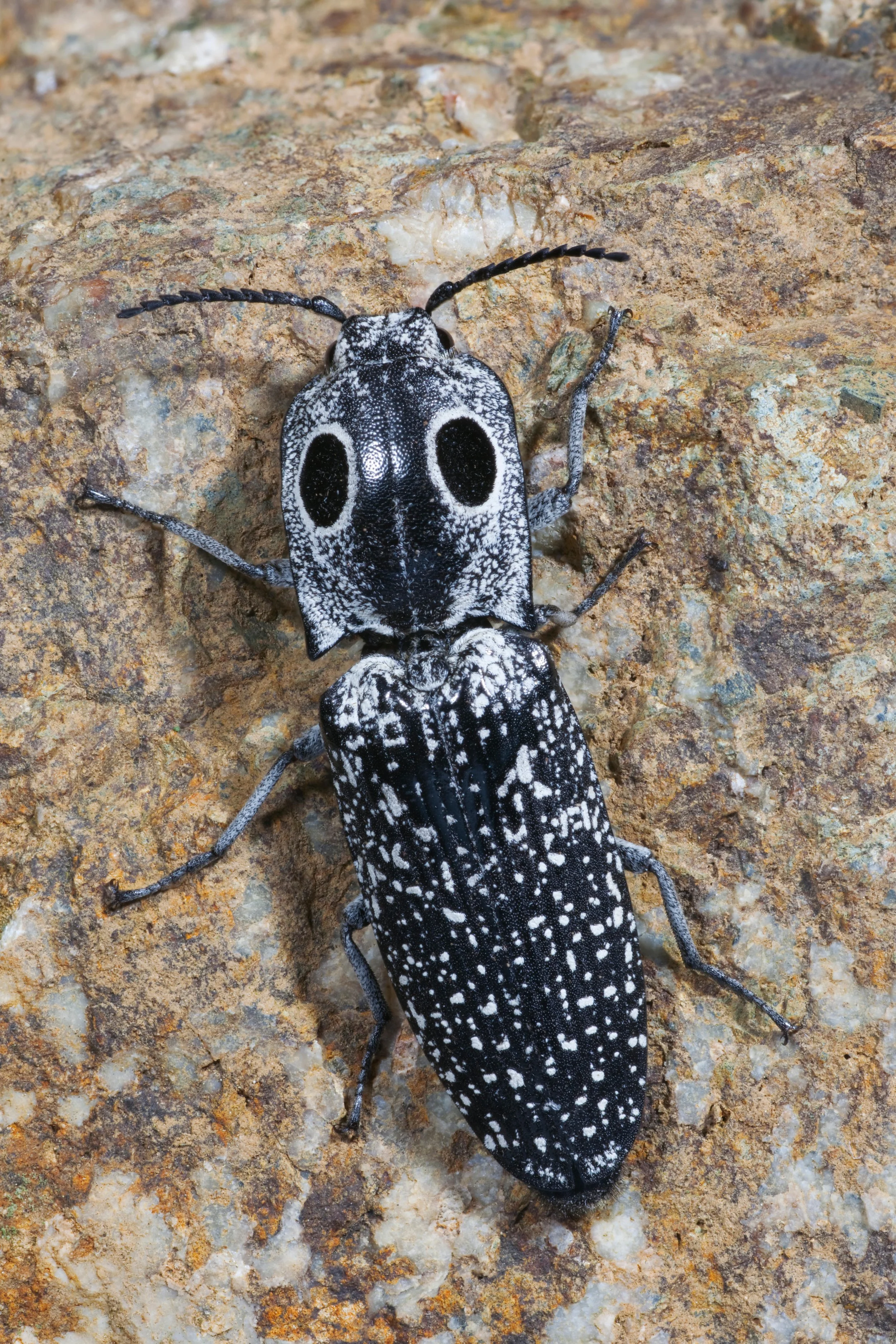
Eastern Eyed Click Beetle - Alaus oculatus
Our mascot species! The eastern eyed click beetle is a large beetle of the click beetle family! (Elateridae) As an adult, it is a harmless flower visitor, eating the nectar of blooming flowers.
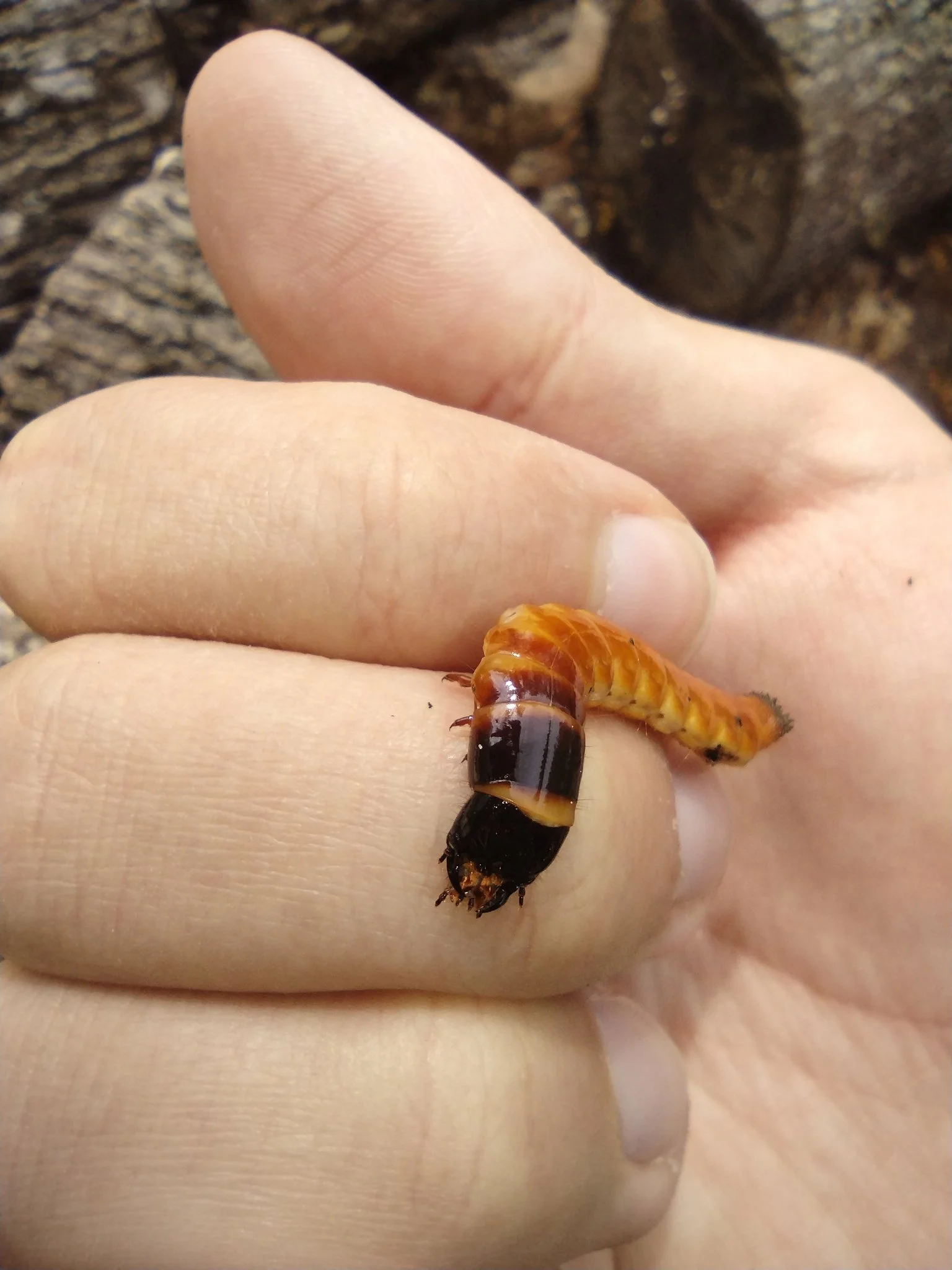
As a larva, this species is predacious, uncommon among its family, which typically eat plant matter or detritus. The larvae live in rotting logs and prey often on other beetle larvae! Before pupating in the log or underground into their adult form.
The large circles on the back of the thorax are evolved to mimic eyes, to trick potential predators to confuse or frighten them.
As a click beetle, it also has another defensive adaptation, by catapulting itself out of harms way by releasing stored energy in a special clicking mechanism on their sternum. This creates their signature click sound!
🅭1
Careful! Larvae of this species can deliver a painful bite!
Eastern Tiger Swallowtail - Papilio glaucus
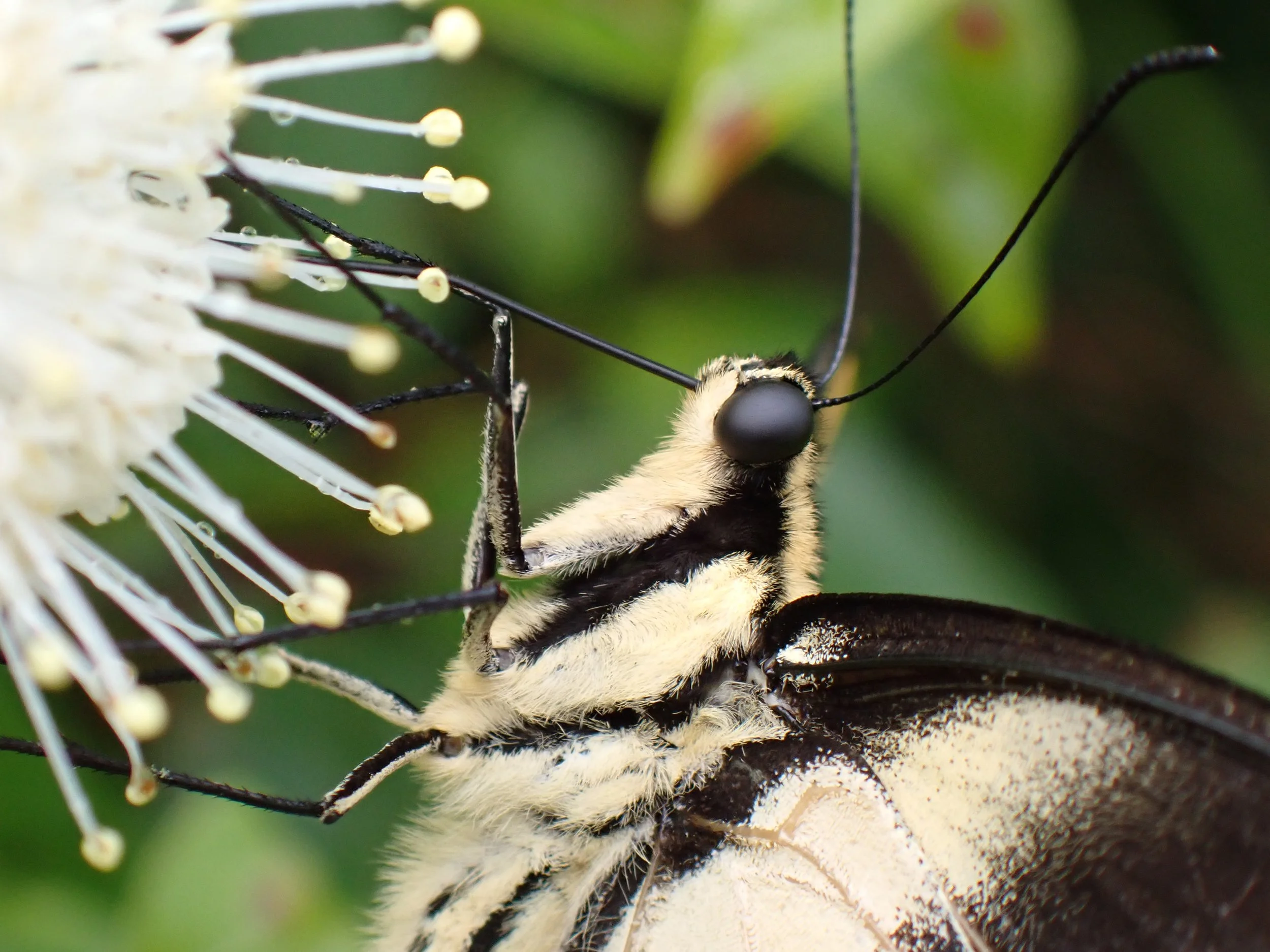
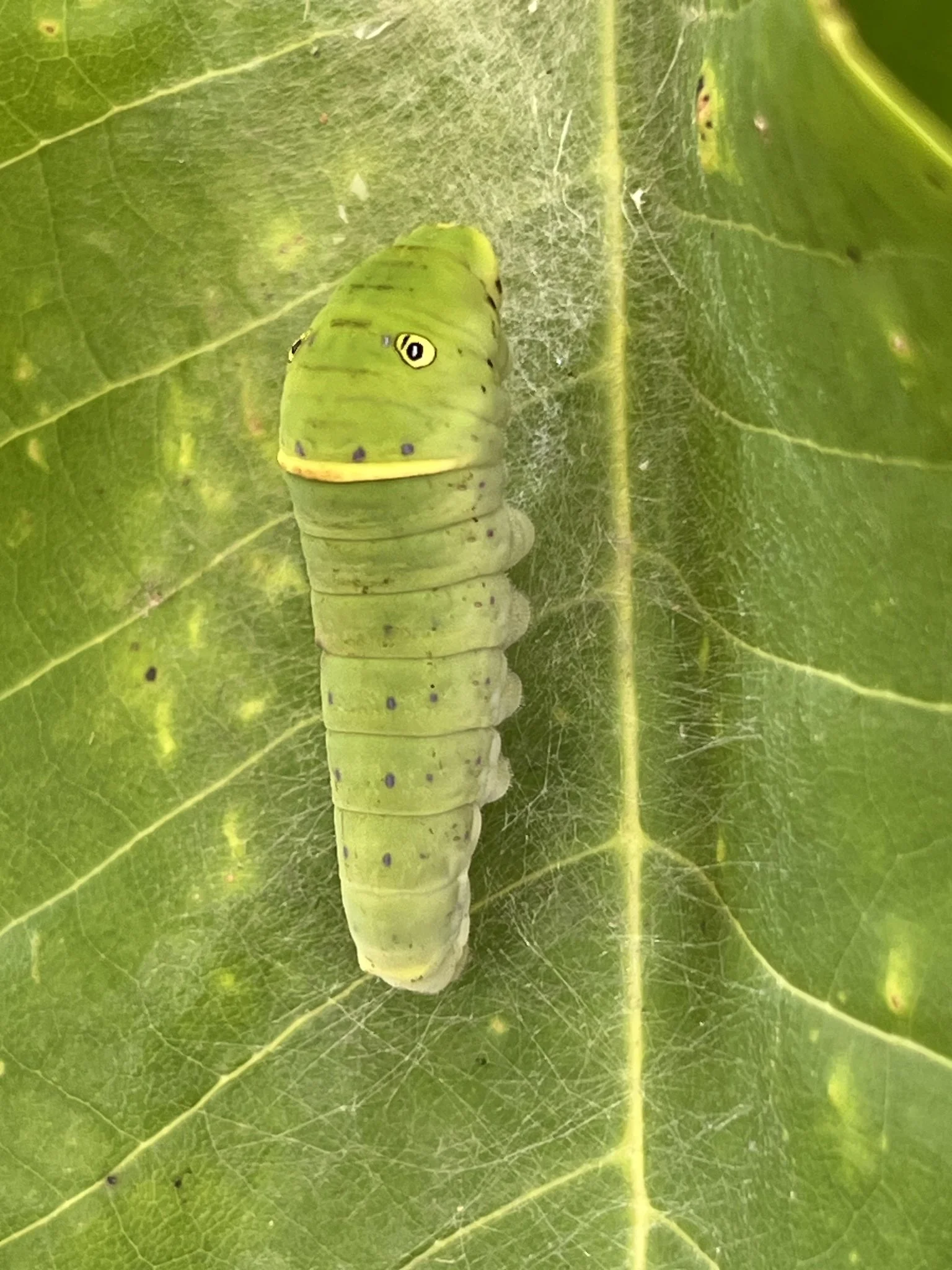
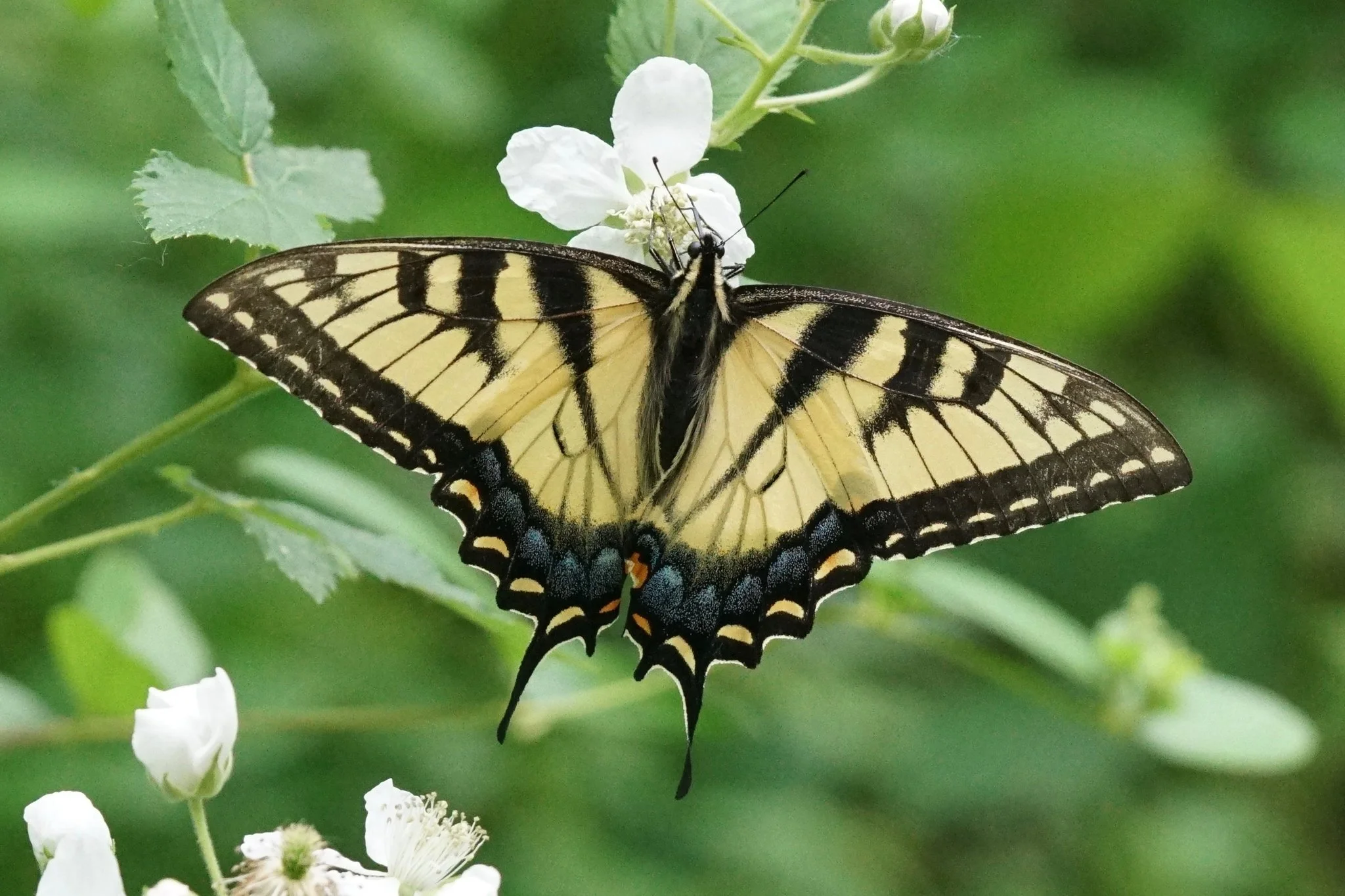
The Eastern Tiger Swallowtail is a butterfly common throughout Pennsylvania! It lays eggs on a variety of Magnolia and rose family plants, and loves laying eggs on the Tulip Tree - Liriodendron tulipifera.
They are one of the largest butterflies native to Pennsylvania, and area common flyer from Spring to Autumn.
🅭5
🅭2
🅭3
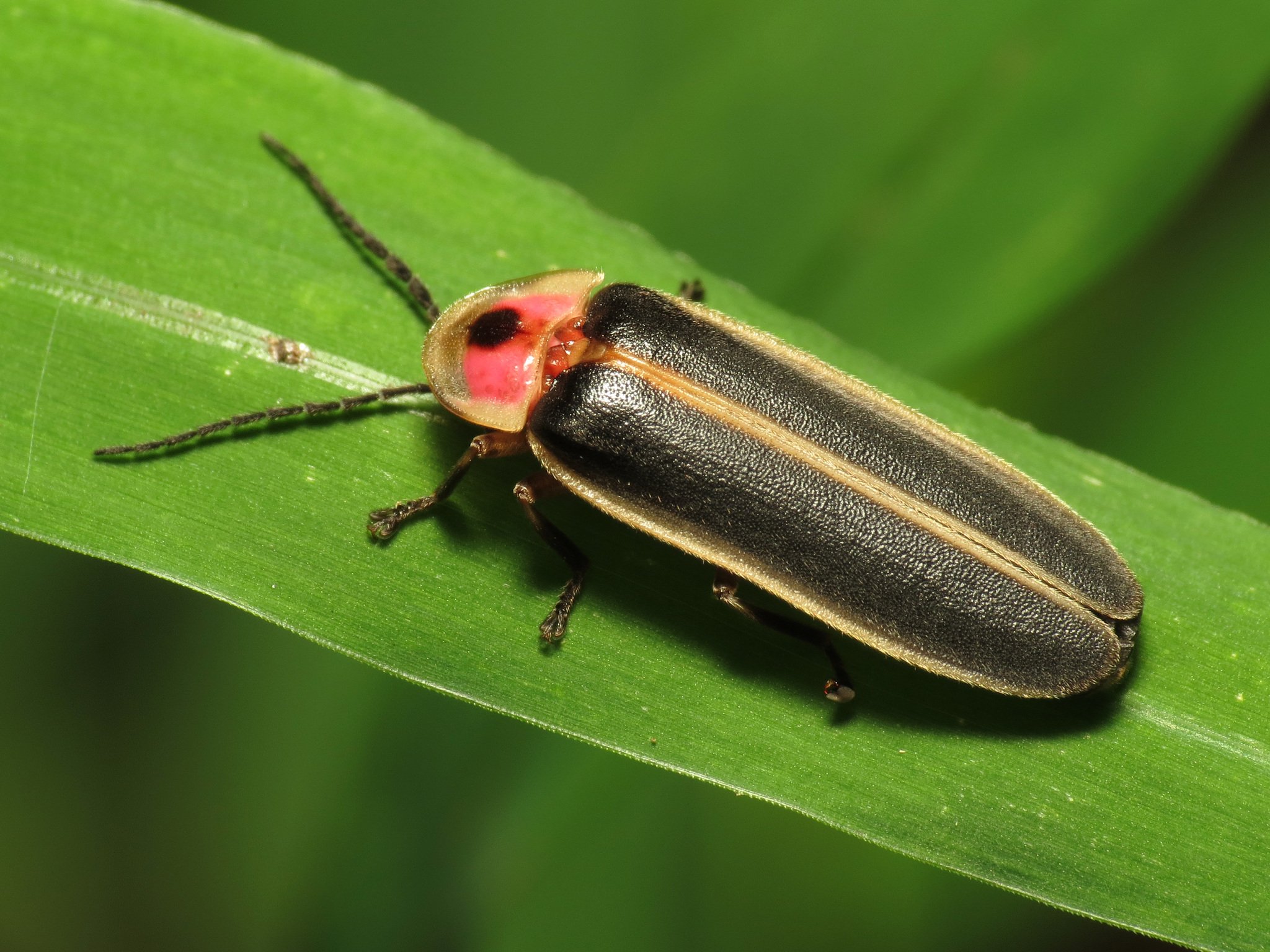
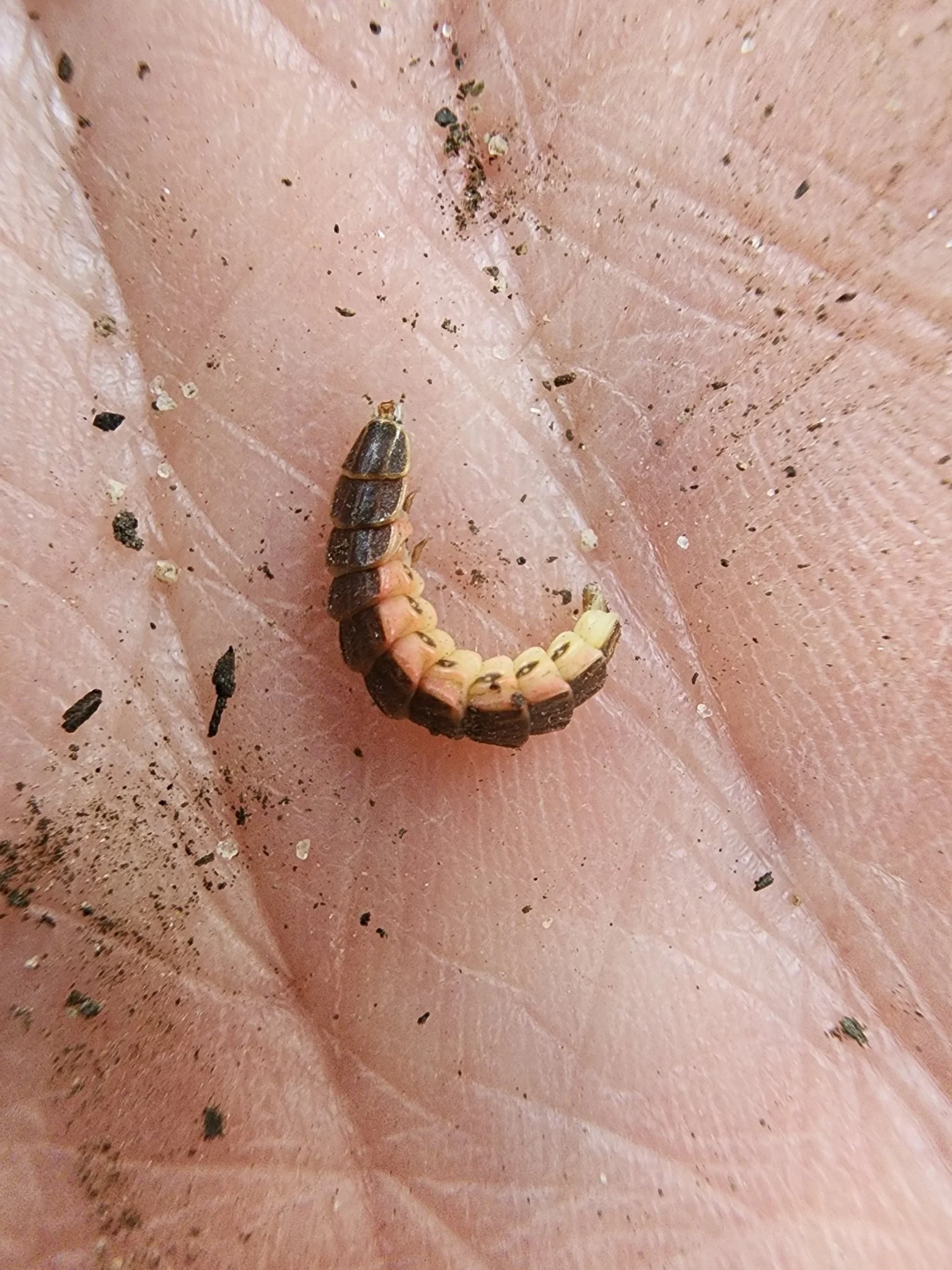
Common Eastern Firefly - Photinus pyralis
The common eastern firefly is the state insect of Pennsylvania!
It’s the most common species of firefly in North America, and spends most of it’s time flying in the spring and summer on warm nights and evenings.
It uses it’s natural bioluminescence to attract mates, and the pattern it uses is species specific! You can tell the species of firefly just by how it flashes.
As larva, it is a predator! Eating snails, slugs, worms and other small invertebrates.
🅭4
Check back later to see who the next insect will be!
Image accreditation
1🅭BY-SA - Eyed Click Beetle Larvae - jupiterswasphouse - iNaturalist
2🅭BY- Eastern Tiger Swallowtail - Amy Schnebelin - iNaturalist
3🅭BY - Common Firefly - Katja Schulz - iNaturalist
4🅭0 - Common Firefly Larva - Zachary Wimberly - iNaturalist
5🅭BY - Eastern Tiger Swallowtail Caterpillar - Julie Travaglini - iNaturalist